
Table of Contents
What Is XML Sitemap
An XML sitemap is one of the most important technical SEO files on a website. It helps search engines discover, crawl, and understand the pages that exist on your site.
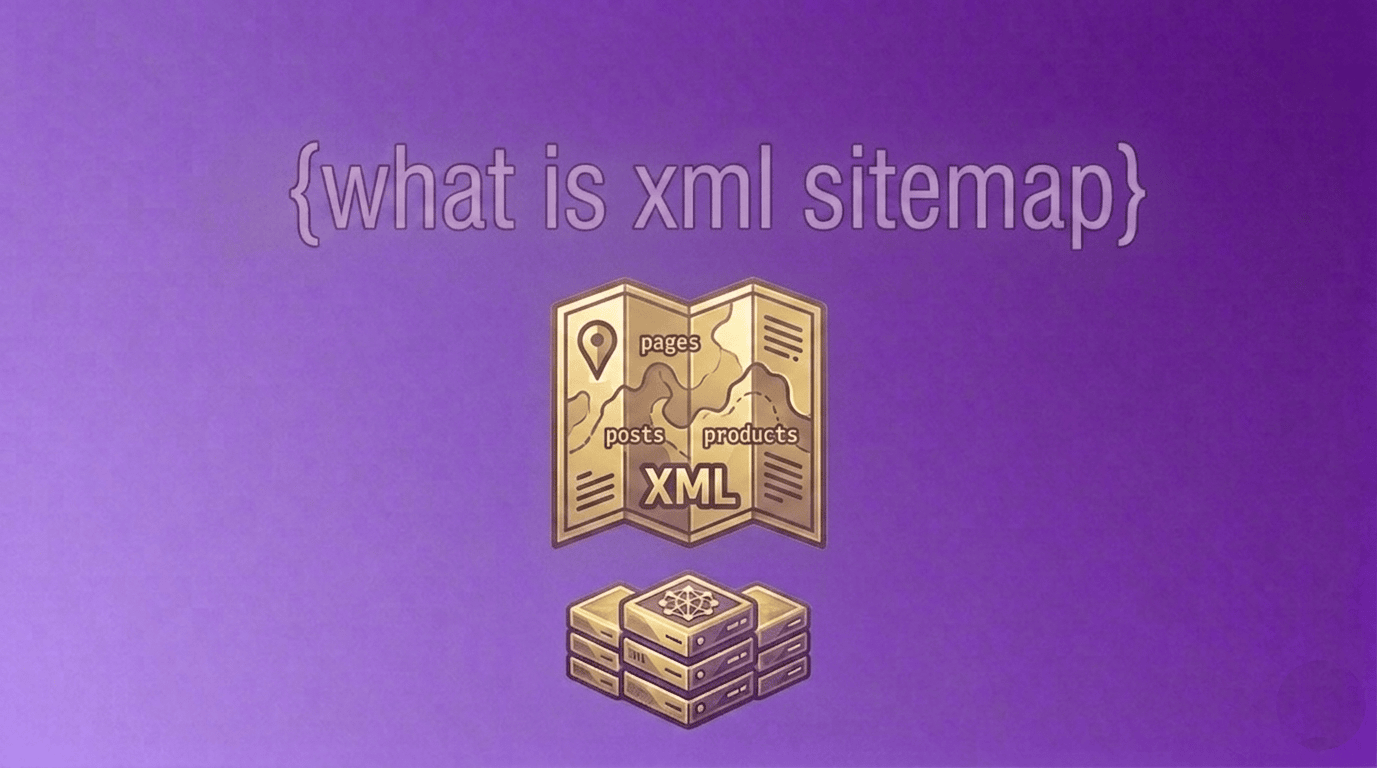
Search engines like Google continuously crawl websites to find new and updated content. An XML sitemap acts like a roadmap that helps search engine bots locate important pages more efficiently.
Whether you run a blog, online store, business website, or tool platform, having a properly configured XML sitemap can improve crawl efficiency and help search engines understand your website structure.
While an XML sitemap does not directly improve rankings, it plays an important role in helping search engines find and index your content more effectively.
What Is an XML Sitemap?
What is XML sitemap, An XML sitemap is a file that contains a list of important URLs on your website.
What is XML sitemap, The file is written in XML (Extensible Markup Language) format and is designed specifically for search engines rather than human visitors.
An XML sitemap helps search engines:
- discover website pages
- identify new content
- find updated content
- understand website structure
- improve crawl efficiency
A sitemap is usually located at:
https://example.com/sitemap.xmlWhy Is an XML Sitemap Important?
What Is XML Sitemap, An XML sitemap helps search engines crawl websites more efficiently.
Without a sitemap, search engines must rely primarily on internal links to discover pages.
Although search engines can often find pages without a sitemap, providing one makes the crawling process easier and more reliable.
Benefits of XML Sitemaps
Faster Content Discovery
Search engines can discover new pages more quickly.
This is especially useful for new websites that have limited backlinks.
Better Crawl Efficiency
A sitemap helps search engines focus on important content.
Instead of relying entirely on website navigation, crawlers can use the sitemap as a guide.
Helps Large Websites
Large websites may contain hundreds or thousands of pages.
Sitemaps help organize those URLs for easier crawling.
Supports Updated Content
Search engines can identify recently updated pages more efficiently.
Improves Technical SEO
XML sitemaps are considered a best practice in technical SEO.
Many websites use XML sitemaps together with our Robots.txt Generator and Canonical Tag Generator to improve crawl management.How Does an XML Sitemap Work?
An XML sitemap provides search engines with information about website pages.
A sitemap may include:
- page URLs
- last modified dates
- update frequency
- page priority
When search engine bots access the sitemap, they can quickly discover important pages without relying solely on internal navigation.
Basic XML Sitemap Example
A simple sitemap entry looks like this:
<url>
   <loc>https://example.com/page</loc>
   <lastmod>2026-06-01</lastmod>
</url>
Explanation
URL Location
The URL location tells search engines the page address.
<loc>contains the page URL.
Last Modified Date
The last modified tag shows when the page was recently updated.
<lastmod>helps search engines understand content freshness.
Types of XML Sitemaps
Different websites may use different sitemap types.
Standard XML Sitemap
Contains website pages and posts.
Most websites use this sitemap format.
Image Sitemap
Helps search engines discover images.
Useful for photography, portfolio, and e-commerce websites.
Video Sitemap
Provides information about video content.
Useful for websites that publish video resources.
News Sitemap
Used by websites publishing news content.
Helps search engines discover recently published articles.
XML Sitemap vs HTML Sitemap
Many beginners confuse XML and HTML sitemaps.
XML Sitemap
Created for search engines.
Helps crawlers discover website pages.
HTML Sitemap
Created for website visitors.
Helps users navigate content more easily.
Both can be useful, but XML sitemaps are more important for technical SEO. Hope now you understand what is XML sitemap.
Where Should You Submit an XML Sitemap?
After creating a sitemap, it should be submitted to search engines.
The most common method is through:
Google Search Console
Google Search Console allows website owners to submit sitemap URLs directly.
Bing Webmaster Tools
Bing also supports sitemap submissions.
Submitting your sitemap helps search engines discover content faster.
XML Sitemap and Robots.txt
What Is XML Sitemap, XML sitemaps and robots.txt often work together.
Many websites include the sitemap location inside the robots.txt file.
Example:
Sitemap: https://example.com/sitemap.xmlThis helps search engine crawlers find the sitemap automatically.
If you have not already created one, our Robots.txt Generator can help generate a properly structured robots file.Common XML Sitemap Mistakes
Incorrect sitemap configuration can reduce its effectiveness.
Including Broken URLs
Sitemaps should only contain valid pages.
Broken URLs waste crawl resources.
Including Redirected Pages
Avoid adding redirected URLs to your sitemap.
Only final destination pages should be included.
Including Noindex Pages
Pages marked as “noindex” should generally not appear in a sitemap.
Forgetting Updates
Sitemaps should be updated when important content changes.
Submitting Multiple Duplicate Sitemaps
Duplicate sitemap submissions can create confusion.
Keep your sitemap structure organized.
Do Small Websites Need XML Sitemaps?
Yes.
Although small websites often have fewer pages, XML sitemaps still provide benefits.
They help search engines:
- discover new content faster
- understand website structure
- identify updated pages
For newer websites, sitemaps can be especially useful because they may have fewer backlinks and internal references.
XML Sitemap and SEO
XML sitemaps do not directly increase rankings.
However, they support SEO by helping search engines:
- find pages
- crawl content efficiently
- understand site structure
- discover updates faster
Technical SEO works best when multiple elements work together.
Many website owners combine:
- XML sitemaps
- robots.txt
- canonical tags
- meta tags
- redirects
to improve overall crawlability and indexing.
You can manage these elements using tools such as our Meta Tag Generator and URL Redirect Checker.Use Our XML Sitemap Generator
Creating XML sitemaps manually can be difficult for beginners.
Our free XML Sitemap Generator helps users:- create XML sitemaps
- generate structured URLs
- improve crawlability
- support technical SEO
quickly and easily.
Frequently Asked Questions
What is XML sitemap?
An XML sitemap is a file that lists important URLs on a website for search engines.
Does an XML sitemap improve rankings?
Not directly. However, it helps search engines discover and crawl content more efficiently.
Where is an XML sitemap located?
Most websites place the sitemap at:https://example.com/sitemap.xml
Should every website have an XML sitemap?
Most websites benefit from having an XML sitemap, especially growing websites and blogs.
How often should I update my sitemap?
Your sitemap should be updated whenever important content changes or new pages are added.
Conclusion of What Is XML Sitemap
An XML sitemap is an essential technical SEO file that helps search engines discover, crawl, and understand website content more effectively. It acts as a roadmap that guides search engine bots toward important pages and updates.
Whether you manage a blog, business website, online store, or tool platform, maintaining a properly configured XML sitemap can improve crawl efficiency and support better indexing.
When combined with robots.txt files, canonical tags, and other technical SEO elements, XML sitemaps become an important part of a well-optimized website.
Related Tools
- XML Sitemap Generator
- Robots.txt Generator
- Canonical Tag Generator
- Meta Tag Generator
- URL Redirect Checker
Related Articles
- What Is Robots.txt and Why Is It Important?
- What Is Canonical Tag and Why Is It Important?
- What Are Meta Tags in SEO?
About the Author
Last updated: June 2026